





Restoring Australia’s Wild Beauty
At L'Occitane, protecting biodiversity has always been at the heart of who we are. From preserving rare plant species to restoring natural landscapes, we believe that true beauty is deeply connected to nature. Every step we take is grounded in respect for the environment and the life it sustains.
As part of our long-standing commitment to biodiversity and sustainability, we've contributed over $370,000 since 2020 to support habitat restoration, wildlife rehabilitation, and the regeneration of bushfire- and flood-affected ecosystems across Australia.
Working alongside the Foundation for National Parks & Wildlife (FNPW), our conservation efforts span multiple restoration projects, helping regenerate native habitats and protect Australia's unique wildlife for generations to come.
Supporting Biodiversity Since 2020
Since 2020, we've proudly partnered with the Foundation for National Parks & Wildlife (FNPW) to help protect Australian biodiversity, planting over 1 million native trees and shrubs to restore precious ecosystems. One of our first restoration projects focused on Lawari Conservation Park on Hindmarsh Island, where we're restoring native habitat to support threatened wildlife and strengthen the local ecosystem.
These restoration efforts are helping create healthier habitats for some of Australia's most vulnerable species, including the Orange-bellied Parrot, Growling Grass Frog, Freshwater Turtle, and Western Beautiful Firetail.
Help Restore Australia's Native Habitats
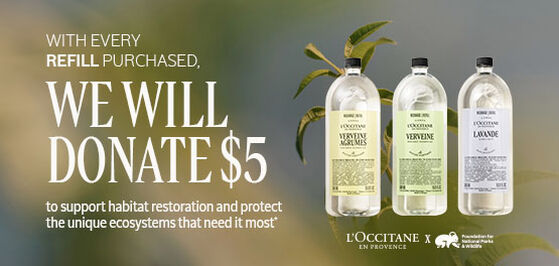
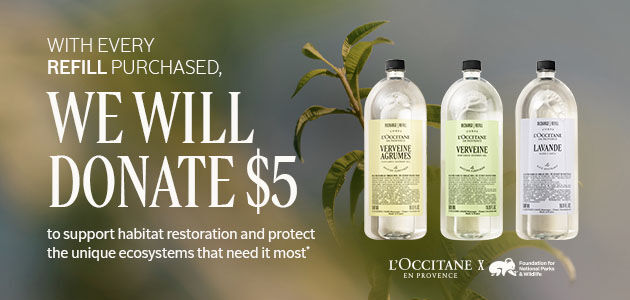
This winter, you can help make a difference. With every refill purchased between 1 August and 31 August 2026, L'Occitane will donate $5 to support the South Australian Regional Biodiversity Hub Program through the Foundation for National Parks & Wildlife*. Your purchase will help restore and reconnect habitats across the Fleurieu Peninsula, Mount Lofty Ranges, Kangaroo Island, and the Lower Lakes and Coorong, protecting threatened native wildlife and flora including the juvenile Long-necked Turtle, Murray River Turtle, Southern Emu-wren, Spider Orchid, and Southern Brown Bandicoot.
Growling Grass Frog – Litoria raniformis
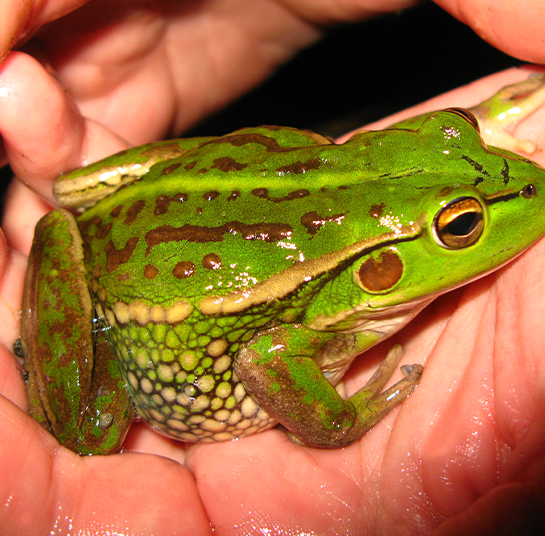
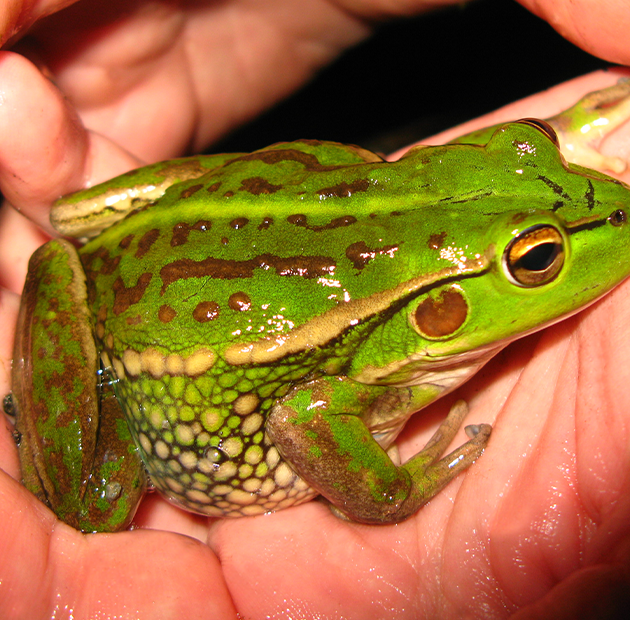
Once common across the lower Murray River in South Australia, including the Lower Lakes, the Growling Grass Frog – Litoria raniformis has declined sharply since the millennium drought, with some areas like Hindmarsh Island likely losing them entirely. Known as “Korbile” to the Ramindjeri people, this vibrant green frog is vital for healthy wetlands and even signals rain with its distinctive calls. Threatened by habitat loss, disease, poor water quality, and predators, it needs restored wetlands, reintroductions, and native planting to bring its chorus back and protect a unique part of Australia’s natural heritage.
Discover More
COMMITED TO NATURE
Thousands of new native trees and shrubs are being planted in Australia, through our participation in FNPW’s projects, creating pockets of life where they’re needed most. These plantings provide essential food, shelter, and shade for endangered wildlife, offering safe refuge in a changing environment.
This initiative builds on L’OCCITANE’s global efforts, which have already helped preserve more than 1,500 plant species and restore over 2,000 hectares of land worldwide. By integrating sustainable sourcing, community partnerships, and support for biodiversity recovery, we’re creating long-term change, rooted in respect for the natural world.
